
RoRo vs. Container Car Shipping: Which Is Better?
When you ship a car overseas, there are two ocean options: roll-on, roll-off (RoRo) and container shipping. The choice drives your cost, how well the car is protected, and whether you can pack anything inside it. Here's how they compare, with real Gulf pricing.
What RoRo Is
RoRo means your car is driven up a ramp onto a vessel and strapped to a deck, then driven off at the destination port. The ships are purpose-built car carriers, and a typical one holds somewhere between 6,000 and 8,500 vehicles, with the largest modern carriers reaching more than 9,000, across as many as 14 decks that work like a floating parking garage. Because there's no packing, lifting, or sealing, handling costs are low, which is why RoRo is the standard choice for a normal car.
The tradeoffs are real. Your car sits on an open deck rather than a sealed box, so it's exposed to sea spray and weather, and occasional scratches or dents from port handling do happen. The car also has to run and drive under its own power, personal items generally aren't allowed inside it, and not every port has RoRo infrastructure.
What Container Shipping Is
With a container, your car is secured inside a metal container at a warehouse, sealed, and loaded onto a container ship, and it stays sealed until final delivery. That gives you strong protection from weather and sea spray and more security, and it works for vehicles that can't be driven. It also lets you pack personal belongings or spare parts alongside the car, subject to the carrier's rules and the destination's import rules.
You can use a shared container, where your car travels with other vehicles bound for the same destination, or a dedicated container, where the space is yours alone. A standard 40-foot container typically fits 2 to 4 cars depending on their size and the loading method, 2 to 3 laid out on the floor, up to 4 with racking, and as few as 1 or 2 large SUVs or trucks. A high-cube container adds an extra foot of height, from 8.5 to 9.5 feet, which makes stacked loading safer.
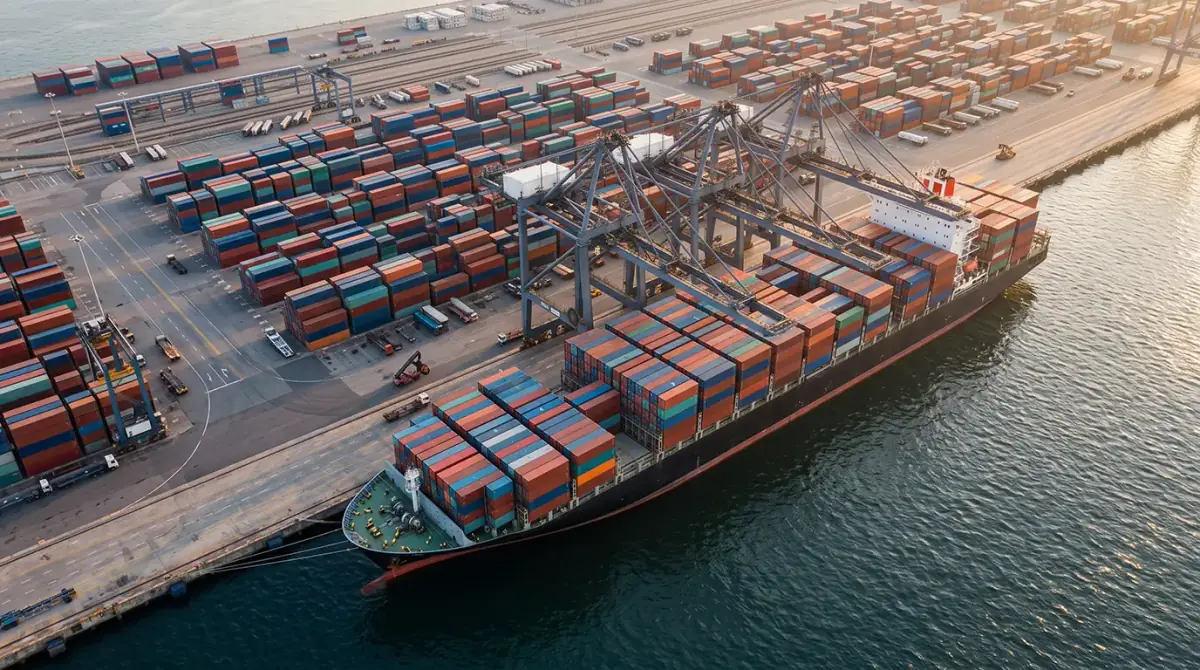
RoRo vs. Container at a Glance
| Feature | RoRo | Container |
|---|---|---|
| Cost | Generally 20 to 40% cheaper for a single standard vehicle | Higher, from labor, materials, and container fees |
| Vehicle condition | Must run and drive under its own power | Works for non-running vehicles |
| Personal items | Generally not allowed | Often possible, subject to carrier and destination rules |
| Protection | Open deck, exposed to weather and port handling | Sealed from loading to delivery |
| Best for | Standard running cars on a budget | Classic, luxury, non-running, or multi-car shipments |
What Each Costs to the Gulf
Destination-specific pricing shows how the methods compare in practice. These are typical figures from the USA:
| Destination | RoRo | Shared container | Dedicated container |
|---|---|---|---|
| UAE | $1,500 to $2,400 | $1,800 to $2,500 | $3,000 to $4,200 or more |
| Oman | $1,000 to $1,800 | $2,000 to $2,800 | $3,200 to $4,400 (20 ft), $2,900 to $5,900 (40 ft) |
| Bahrain | $1,400 to $1,900 | $1,800 to $2,500 | $3,500 to $7,000 |
Across the Middle East overall, ocean freight commonly runs roughly $1,600 to $2,900. Notice that a shared container narrows the gap with RoRo considerably, which makes it the practical middle option when your car doesn't run or you want a sealed box without paying for a whole container. A dedicated 40-foot container becomes cost-effective when you split it across several vehicles. Freight is only one part of the total, so see our Gulf country guides for duty, VAT, and port fees. See our complete guide to shipping a car to the Gulf. See our guide to international car shipping.
Q4, October through December, is peak season for ocean freight, with prices commonly running 10 to 20% higher.
Which Should You Choose?
Choose RoRo if your car runs and drives, it's a standard vehicle, and keeping the cost down matters most.
Choose a container if any of these apply:
- The car doesn't run. RoRo requires a drivable vehicle, so non-running vehicles typically go by container. See our non-running vehicle guide
- It's a classic, luxury, or high-value car where sealed protection is worth the premium. See our classic and exotic car guide
- You want to pack items inside the car or alongside it, where the destination allows it.
- You're shipping several vehicles. Splitting a 40-foot container across up to four cars can bring the per-car cost down.
Your destination can also change the answer. Some Gulf countries restrict which vehicles can be imported at all, such as rules on vehicle age or salvage titles, and no shipping method fixes an ineligible vehicle. Confirm eligibility first.
What Both Methods Share
Neither choice changes the rest of the bill. Both carry marine insurance, typically 1 to 2.5% of declared value, destination port handling that commonly runs $400 to $2,200, the destination country's customs duty and VAT, and, if your car isn't near a departure port, U.S. ground transport to one, generally $300 to $1,000. Ocean transit generally takes 2 to 8 weeks depending on the route, plus customs clearance at the other end. Air freight is the alternative when speed outweighs cost, taking 1 to 2 days but commonly running $5,000 to $40,000 or more.
Frequently Asked Questions
Which is better, RoRo or container shipping?
Neither is better in every case. RoRo is cheaper and right for a standard running car. A container is better for non-running, classic, or luxury vehicles, when you want to pack items, or when you're shipping several cars together.
Can I ship a car that doesn't run by RoRo?
Generally no. RoRo requires a vehicle that can be driven onto the ship, so non-running vehicles typically go by container.
Can I leave personal items in the car?
Not with RoRo, where personal items and spare parts are generally banned. With a container, it's often possible, subject to the carrier's rules and the destination's import rules.
How many cars fit in a container?
A standard 40-foot container typically holds 2 to 4 cars, depending on size and loading method. Large SUVs and trucks may limit it to 1 or 2.
Is RoRo safe for my car?
It's the standard method for shipping cars worldwide, but the car sits on an open deck, so it's exposed to weather and port handling in a way a sealed container isn't. For a classic or high-value car, that's the main reason to choose a container.
How long does it take?
Ocean shipping generally takes 2 to 8 weeks, plus time for customs clearance at the destination.
Not sure which method fits your car?
Get a quote and we'll recommend the right option for your vehicle and destination.