Open Car Transport
Open transport is the default choice for most vehicle shipments, and for most cars, it's the right one. Understanding exactly what it is (and isn't) helps you decide whether it fits your situation, or whether enclosed transport is worth the extra cost for your vehicle.
What It Is
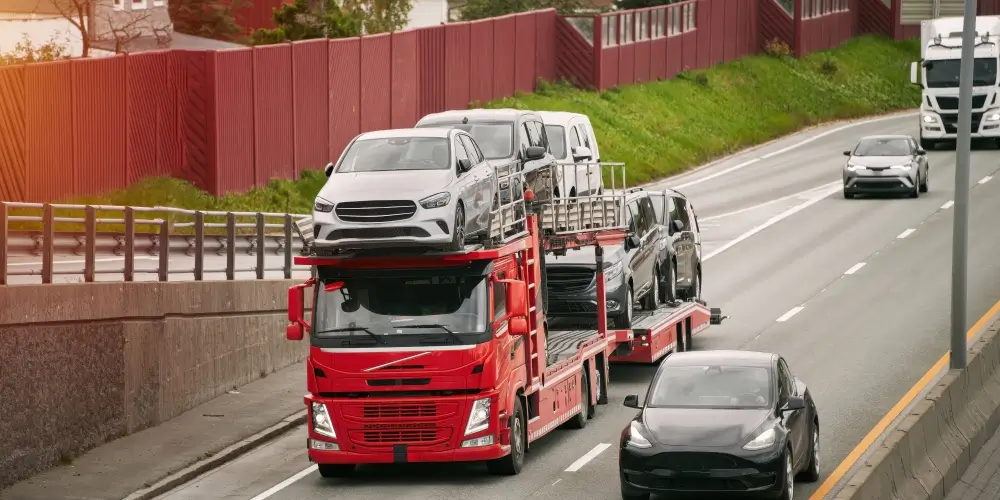
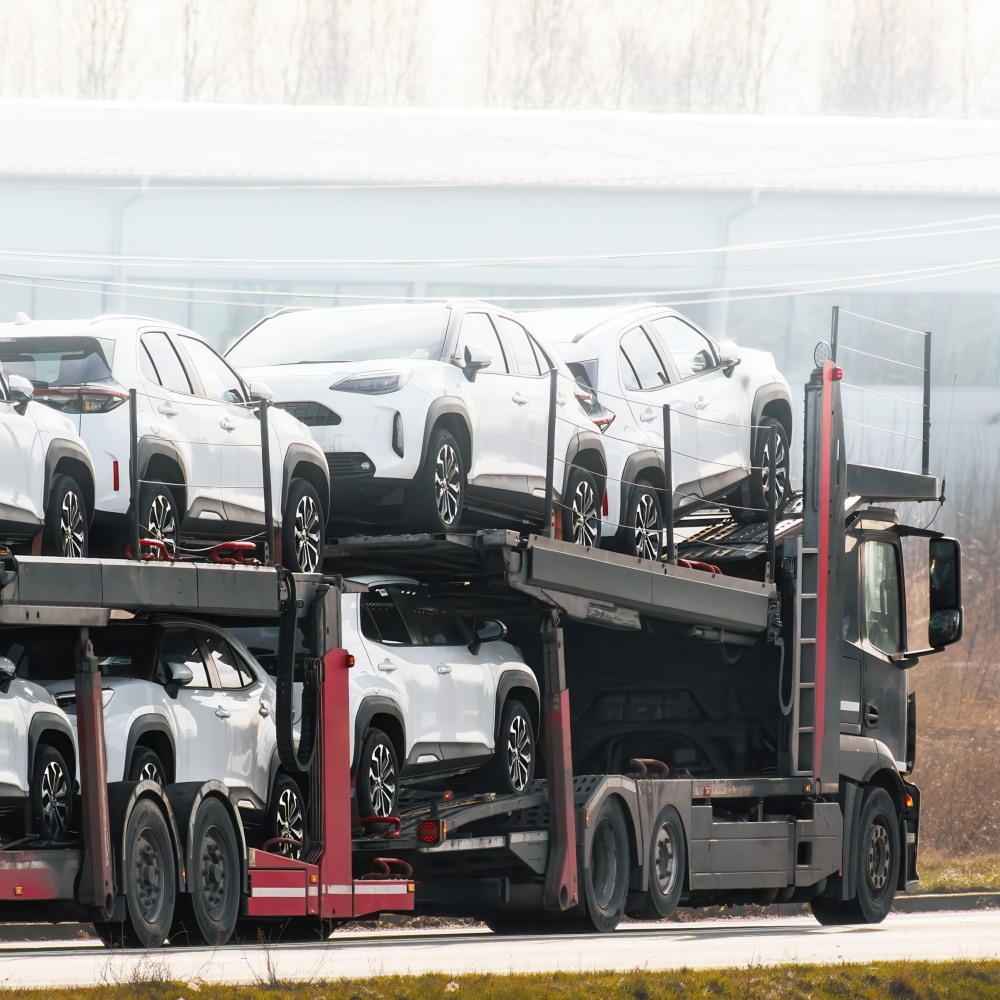
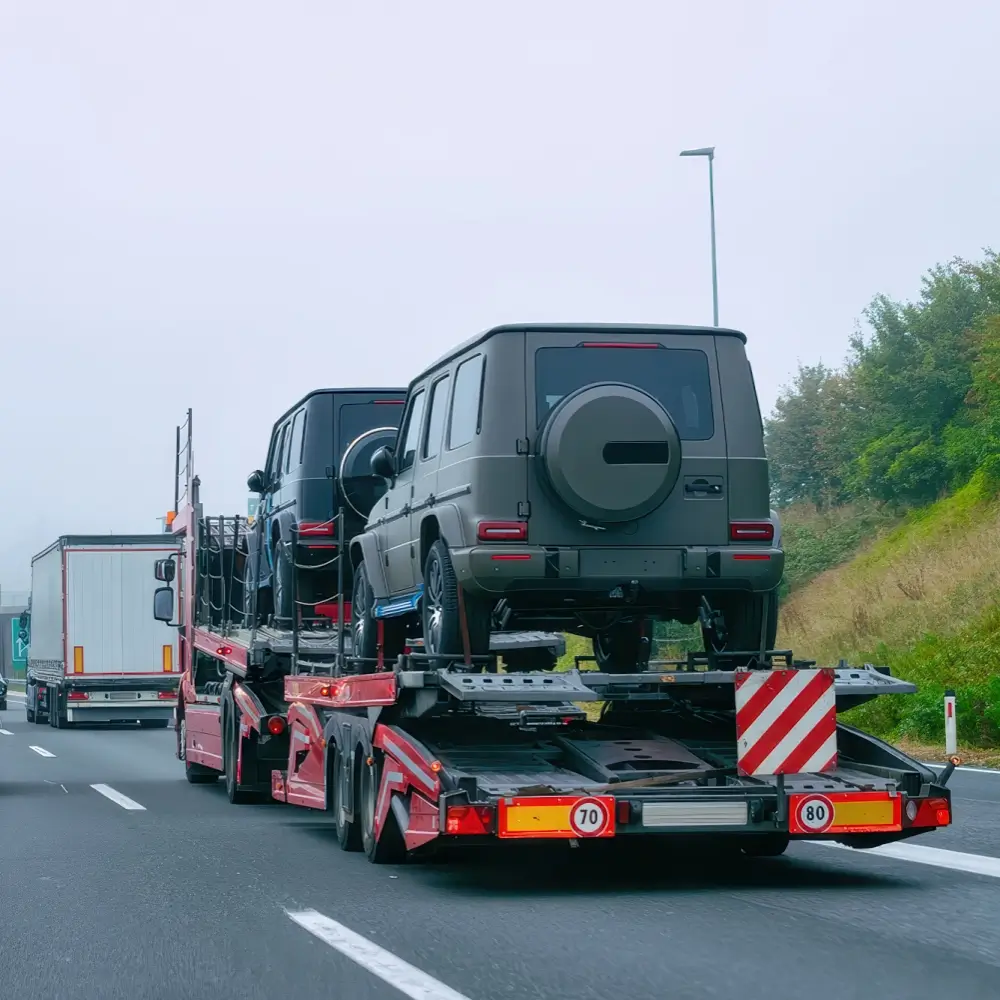
Open transport means your vehicle is loaded onto a multi-car trailer, the kind you've probably seen hauling new cars down the highway, alongside several other vehicles headed the same general direction. Your car isn't covered or boxed in. It rides exposed to weather, road dust, and debris the same way it would if you were driving it yourself.
This is the industry standard for a simple reason: it's efficient. A single trailer can carry seven to ten vehicles at once, which means the carrier's fuel and driver costs are split across every car on the load, including yours. That efficiency is exactly why it's the cheapest widely available option, typically running meaningfully less than enclosed transport for the same route.
How It Works
Quote and booking.
You provide pickup and delivery details, and because pricing depends on your specific vehicle, route, and timing, we give you a real quote rather than a generic estimate.
Scheduling.
You're given a pickup window, usually a few days wide, so the driver can route your vehicle efficiently alongside others already on their trailer.
Pickup and inspection.
The driver inspects your car with you and you both sign a Bill of Lading documenting its condition before it's loaded.
Transit.
Your vehicle travels on the open trailer to its destination, typically covering 400 to 500 miles a day on longer routes.
Delivery and final inspection.
You inspect the car again at drop-off and sign off on the paperwork.
You can choose door-to-door delivery, where the driver comes to your home or office directly, or terminal-to-terminal, where you drop off and pick up at a shipping hub. The latter is typically the cheaper of the two, since it removes the driver's local navigation time. How door-to-door car shipping works
What Affects the Price
Open transport's cost isn't fixed. It moves with a handful of real factors:
Distance
Per-mile rates drop as the trip gets longer, since fixed costs like loading are spread across more miles.
Vehicle size
SUVs and trucks cost more to ship than a standard sedan because they take up more space on the trailer.
Vehicle condition
A non-running vehicle costs more, since it needs a winch, flatbed, or forklift rather than driving onto the trailer under its own power.
See our non-running vehicle shipping guideSeason
Winter, particularly January and February, is consistently the cheapest time to ship, while late spring through fall (peak moving and snowbird season) runs higher.
Route
Shipments between major metro areas on well-traveled interstates cost less than trips to rural or remote locations.
Flexibility
A wider pickup window generally works in your favor, since it lets the driver fit your vehicle into an existing route more efficiently.
Who It's Best For
Open transport is the right call for the large majority of shipments: standard daily drivers, sedans, SUVs, and trucks with no special value or fragility concerns. If your budget matters more than shielding the car from weather and road dust for the trip, this is almost always the better choice.
It's usually not the right call for classic, exotic, or other high-value vehicles, where full protection from the elements matters more than shaving cost. That's what enclosed transport is for.
Frequently Asked Questions
Is open transport safe for my car?
How much cheaper is open transport than enclosed?
Can I choose open transport for a classic or luxury car to save money?
What's the difference between door-to-door and terminal-to-terminal open transport?
Ready to ship your car?
Get a quote for a real number based on your specific vehicle and route.