
International Car Shipping from the USA
Shipping a car overseas works differently from a domestic move. Your car leaves from a U.S. port by ocean freight or by air, clears customs on both ends, and arrives under the destination country's import rules, which can rule out some cars entirely. This guide explains how it works, what it costs, and when it's worth doing.
How International Car Shipping Works
1. Request a Quote
Share your vehicle details, pickup location, and destination country. Costs depend on vehicle dimensions, value, and routing.
2. Inland Port Delivery
If your car isn't already near a major departure port (Houston, New York, Long Beach), it is trucked overland, typically for $300 to $1,000.
3. Export Documentation
Provide original title, registration, photo ID, and notarized lienholder permission for financed vehicles before U.S. Customs clearance.
4. Ocean or Air Freight
Ocean transit generally spans 2 to 8 weeks depending on destination ports; air freight moves in 1 to 2 days for urgent shipments.
5. Destination Customs
Clear import inspections under local regulations. Each country enforces distinct duty, VAT, and administrative paperwork.
6. Port Handover
Collect the vehicle at the port terminal and complete local registration and plates under local vehicle authority guidelines.
Understand destination duty and import requirements:See our Gulf customs guide.
Choosing RoRo, Container, or Air Freight
RoRo (roll-on, roll-off) is the most economical method for vehicles that run and drive under their own power.Container shipping costs more but accommodates non-running vehicles, permits packing select cargo, and shields classics and exotics from ocean exposure.Air freight takes only 1 to 2 days but typically ranges from $5,000 to $40,000 or more.See our RoRo vs. container comparison.
What International Shipping Costs
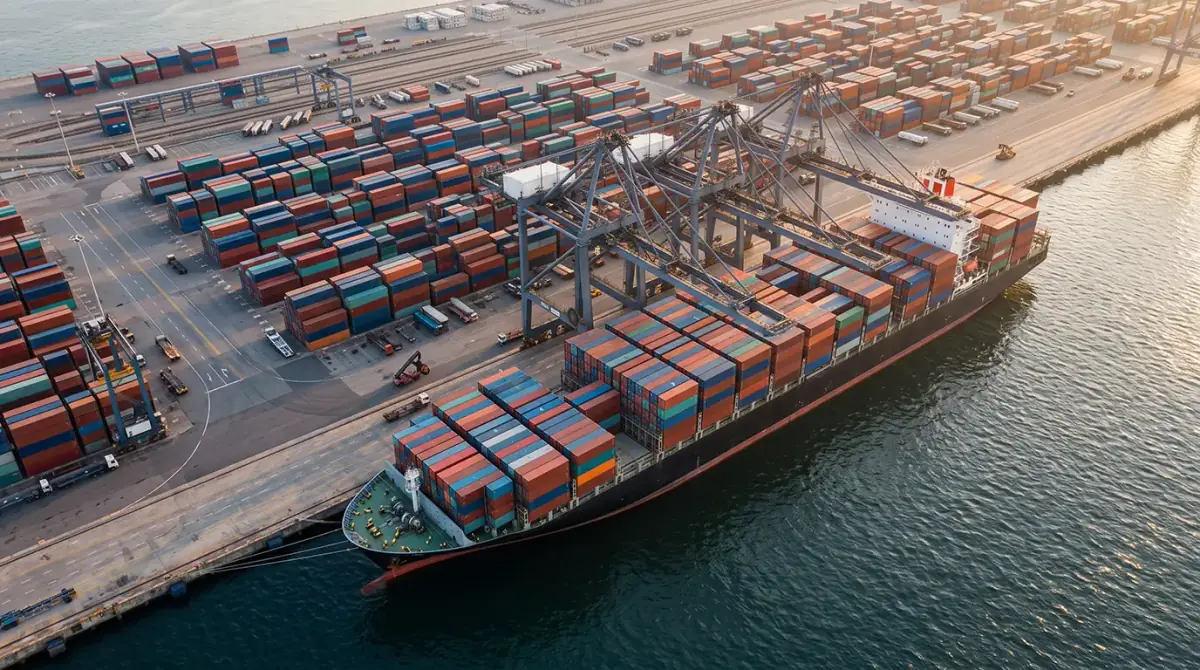
Ocean freight from the USA generally runs about $1,000 to $5,000 depending on destination and method, with Middle East shipments averaging roughly $1,600 to $2,900. On top of standard freight, account for:
- U.S. inland transport: generally $300 to $1,000 if the car is located inland from coastal ports.
- Marine insurance: typically 1% to 2.5% of declared vehicle value.
- Destination port handling & documentation: commonly $400 to $2,200, which increases if cargo exceeds free terminal storage days.
- Destination duty and VAT: varies by country customs regime and is confirmed upon quotation review.
Rates typically rise 10% to 20% during fourth-quarter peak shipping (October through December).
Check Eligibility Before You Ship
The biggest international risk isn't the ocean voyage. It's shipping a car the destination country will not admit. Many countries cap vehicle age, mandate left-hand drive, or strictly ban salvage and flood titles. Ineligible cars risk being impounded or sent back at owner expense. Five of the six Gulf countries cap standard cars at about 5 years, and Saudi Arabia, Qatar, and Bahrain prohibit salvage-title cars. Confirm eligibility first.
Country & Regional Guides
Review the comparative framework: complete guide to shipping a car to the Gulf.
Shipping a car between the USA and Canada, including cross-border customs regulations.
Is It Worth Shipping Your Car Overseas?
International auto shipping generally makes financial sense for a permanent relocation or a foreign assignment exceeding one year, or for unique, classic, or luxury vehicles with high replacement costs. For brief stays or standard older daily drivers, selling locally before departure and purchasing or leasing abroad avoids extensive freight, duties, and local compliance modifications.
Frequently Asked Questions
How much does it cost to ship a car overseas?
Ocean freight generally runs about $1,000 to $5,000 depending on the destination, and roughly $1,600 to $2,900 across the Middle East. Inland transport, insurance, port fees, and the destination's duty and VAT come on top.
How long does it take to ship a car overseas?
Ocean transit generally takes 2 to 8 weeks depending on the route, plus customs clearance at the destination.
Can I ship a car that doesn't run overseas?
Non-running cars typically go by container, because RoRo requires a car that drives under its own power. Whether the destination admits it is a separate question about its import rules.
Can I leave things in the car?
Not with RoRo, where the car must be empty. With a container it's often possible, subject to the carrier's rules and the destination's rules.See vehicle preparation checklist.
Which countries do you ship to?
Destinations worldwide. Tell us where the vehicle is located and your destination port, and our international team will quote the route.
Shipping a car overseas?
Request an international quote and our dispatch team will confirm vehicle eligibility, destination customs duties, and ocean freight costs before you book.